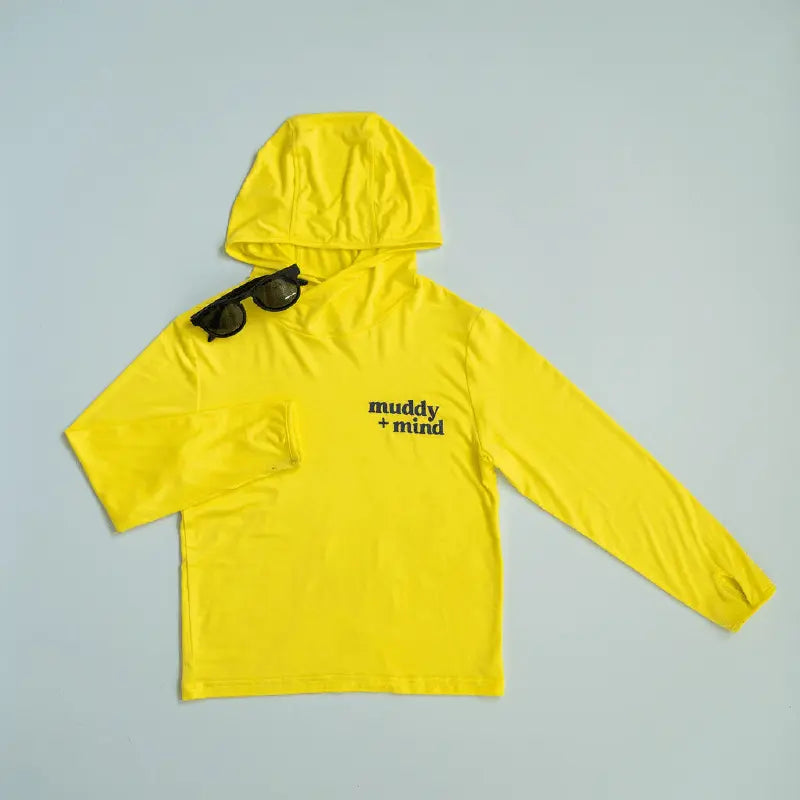
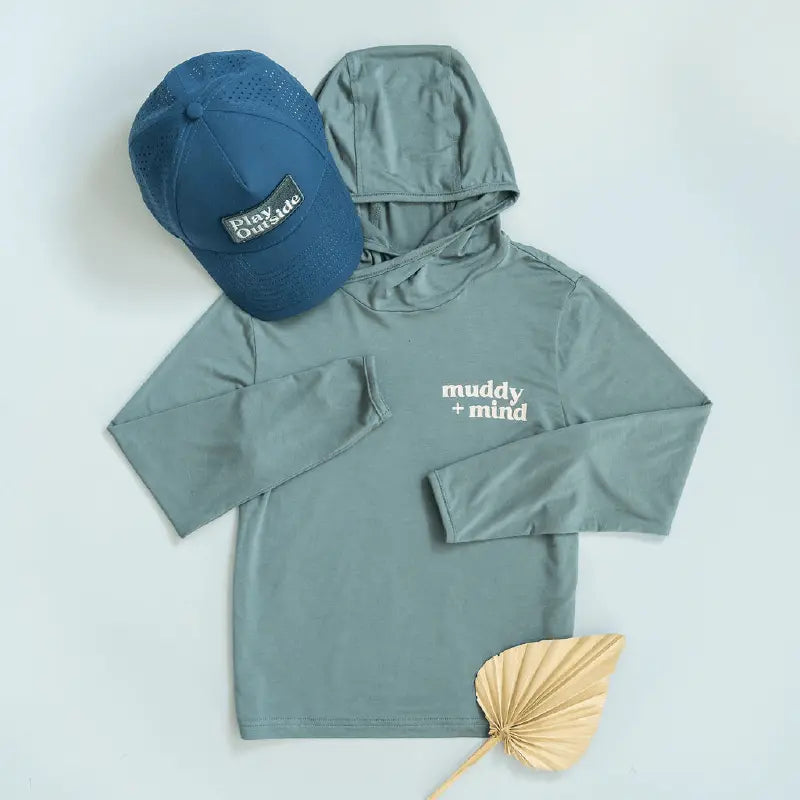
Take an extra 15% off already discounted (20%) Mom and Mini bundle for mothers day, when you get matching ONE shirts.

Eco-Friendly Fabrics for Active Adults: What Actually Matters
A few years ago, I stood in the middle of an athletic store holding two workout tops.
One had a giant green leaf on the tag and the word sustainable printed in bold. The other was simple, neutral, and didn’t say much at all.
I remember thinking, how am I supposed to know what this really means?
Because when you’re an active adult, you want performance. You want breathability. You want durability. But you also don’t want to contribute to unnecessary waste or greenwashing.
So let’s talk about eco-friendly fabrics for active adults in a real, grounded way. Not marketing language. Just what actually matters.
First, No Fabric Is Perfect
This is important.
There is no impact-free textile. Every fiber, whether natural or synthetic, requires land, water, energy, processing, transportation, and labor.
When brands claim something is 100 percent sustainable, that is usually a simplification.
Organizations like the Textile Exchange publish annual reports tracking global fiber production, and the numbers are complex. Polyester dominates the market. Cotton still requires significant water and pesticide management. Regenerated fibers like bamboo or TENCEL™ involve chemical processing that must be handled responsibly.
So instead of asking which fabric is perfect, I ask better questions:
Will this last?
Will I wear it often?
Does it serve more than one purpose?
Was it produced thoughtfully?
Longevity is often more powerful than labels.
Polyester and Recycled Polyester
Polyester is one of the most common activewear fabrics. It is durable, lightweight, and dries quickly. For high intensity training, it performs well.
But traditional polyester is fossil fuel based. It also sheds microplastics during washing, which can enter waterways.
Recycled polyester attempts to reduce virgin plastic use by repurposing existing materials like water bottles. That is a step forward, but it does not eliminate microplastic shedding or fully solve end of life issues.
If you choose polyester for performance reasons, look for recycled content and commit to wearing it often and for a long time.
The Ellen MacArthur Foundation emphasizes that extending garment life significantly reduces environmental impact. A high performing piece worn hundreds of times is better than a “green” piece worn twice.
Organic Cotton
Organic cotton reduces the use of synthetic pesticides compared to conventional cotton. That is meaningful for soil health and farmer exposure.
However, cotton can hold moisture and feel heavy during intense activity. For low impact workouts, walking, or layering, it can work well. For humid climates and high sweat output, it may not regulate temperature as effectively.
Organic cotton can be part of an eco-friendly wardrobe. It just depends on how you move.
Bamboo and Regenerated Fibers
Bamboo, TENCEL™, and other regenerated fibers start with plant material and are processed into soft, breathable fabrics.
Processing methods matter. Responsible chemical management and closed loop systems are critical. That is why certifications like OEKO-TEX® exist, testing finished fabrics for harmful substances.
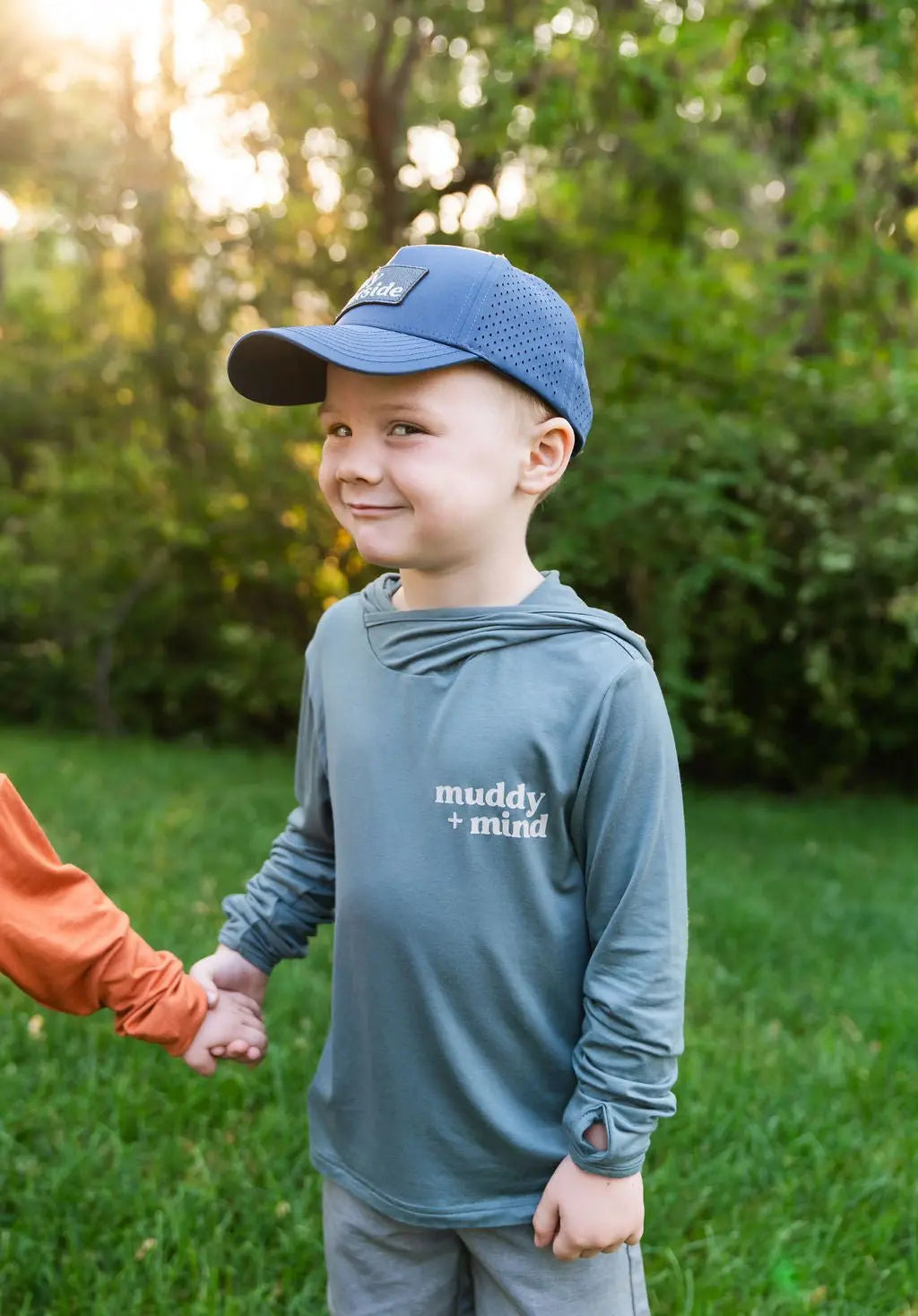
We chose bamboo intentionally because it balances performance and comfort for everyday outdoor life. It is breathable, temperature regulating, and soft against sensitive skin. It works as a base layer in both heat and cold, which supports a capsule wardrobe approach instead of seasonal turnover.
You can see how we think about longevity and intentional production on our Sustainability page, where we explain why refinement over replacement guides our design process.
For active adults who move between gym sessions, playground stops, hikes, and errands, adaptability matters. A breathable base layer that transitions across contexts reduces the need for multiple specialized pieces.
The Real Question: Cost Per Wear
When evaluating eco-friendly fabrics for active adults, I always come back to cost per wear.
If you buy a high quality, breathable base layer and wear it twice a week for three years, its environmental footprint per wear drops dramatically. If you buy something because it is trending as eco and abandon it after a season, its impact remains high.
Sustainability is not just fiber selection. It is behavior.
That is why we do not design seasonal collections. Instead, we refine core pieces and restock intentionally. If you have read our post on why we avoid seasonal drops, you know that reliability and longevity drive our decisions.
Activewear should support your life for years, not months.
What I Personally Look For
When I choose fabrics now, I look for:
Breathability in heat
Layering capability in cold
Softness against skin
Durability after repeated washing
Versatility across activities
If it checks those boxes, it earns space in my closet.
Eco-friendly fabrics for active adults are not about perfection. They are about intention. Choosing materials that support how you actually move. Wearing them often. Caring for them well. And resisting the urge to replace them simply because something new appeared.
Outdoor life is not about constant upgrades.
It is about consistency.
And the fabrics you choose should reflect that.
Love,
Adriana
Founder of Play Outside
BEST SELLERS!
Only a few ONE shirts left in the 2024 colors. 30% OFF. Presale for 2025 Summer colors starting in April!